





Niviuk Artik R 2 Paragliding Test & Review
- by Carlo Borsattino

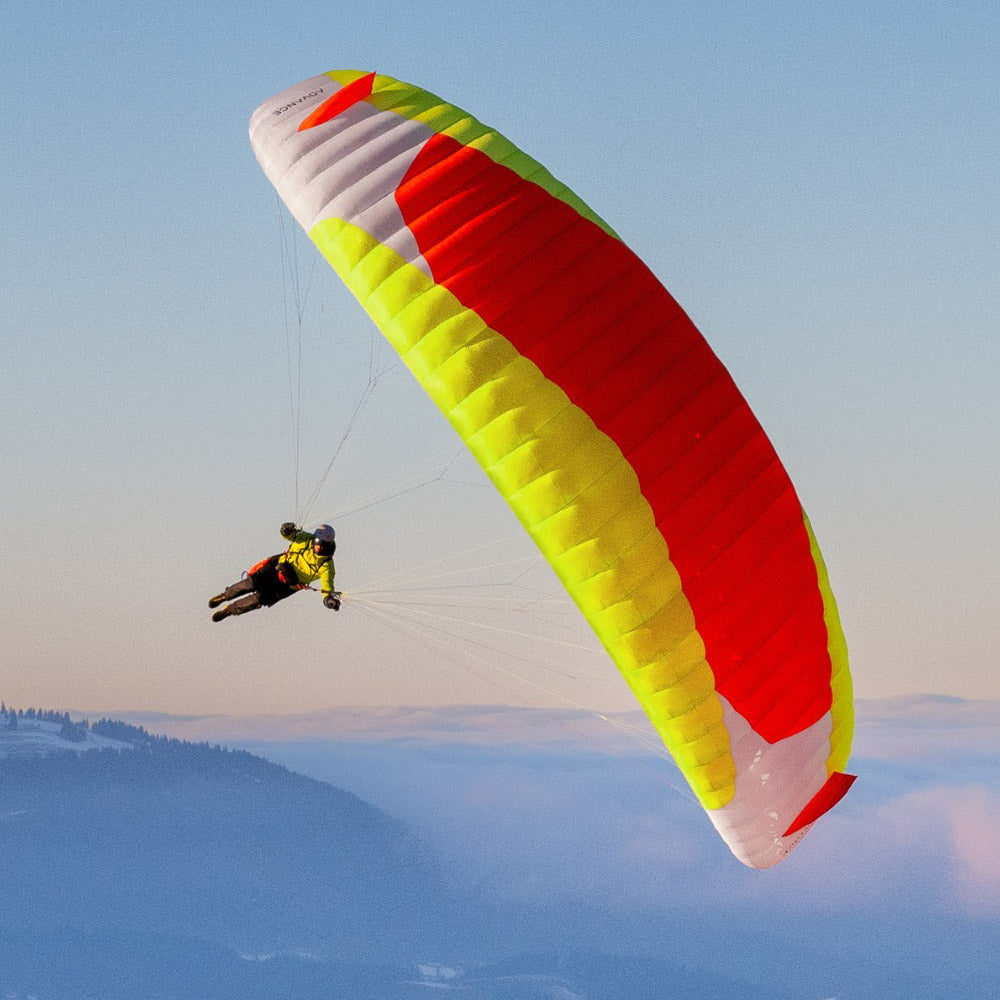
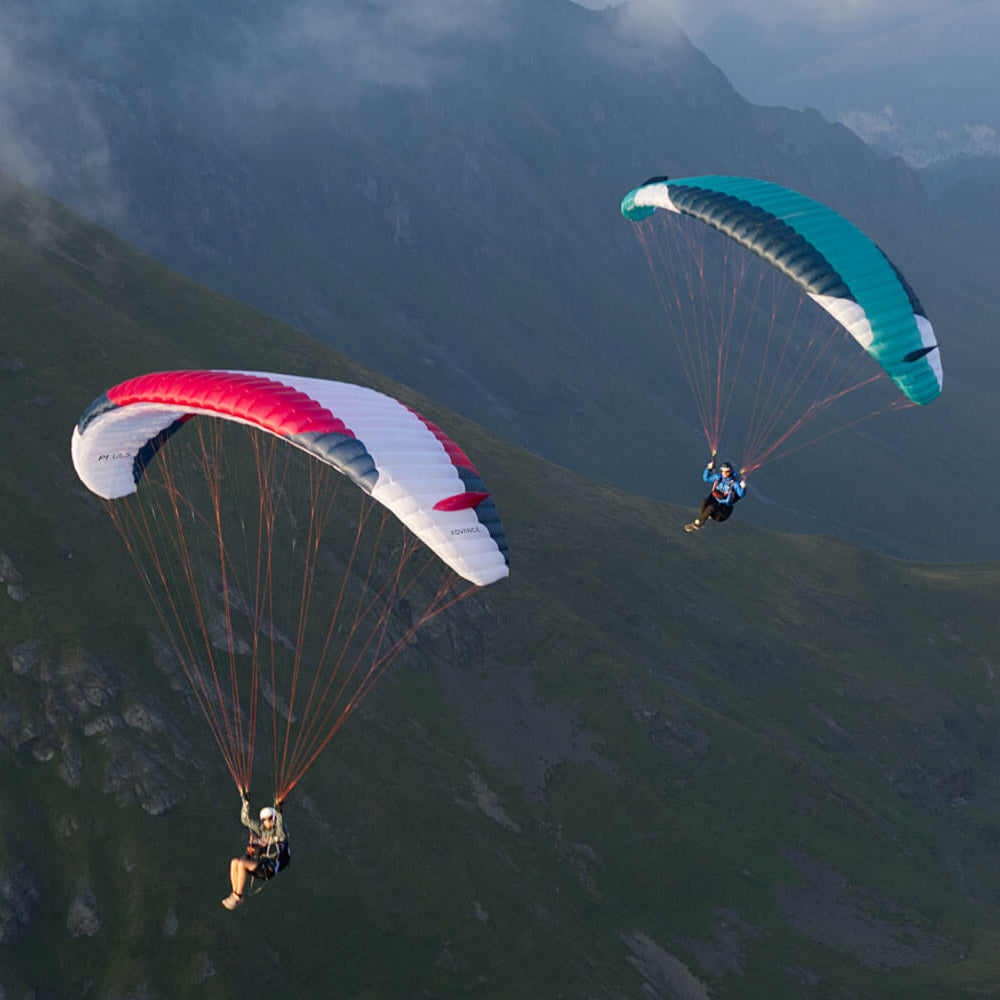
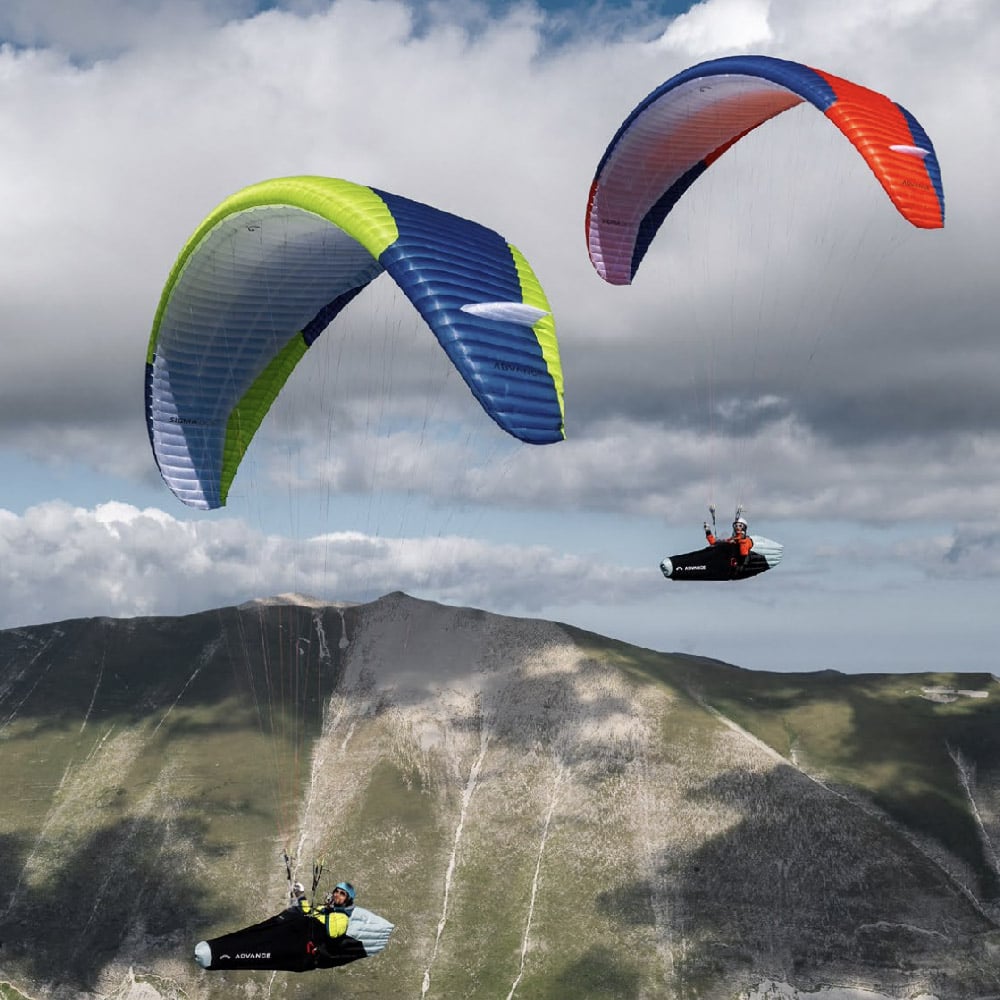
This is Niviuk’s high-end EN-C two-liner. We have been testing it for several weeks—at least 20 to 30 hours—in quite a variety of conditions.
Ground handling
Let’s start on the ground. With its 6.5 aspect ratio, it’s fairly moderate for the class. A few gliders in the high-C class have a bit more, like the BGD Cure 3 and the PHI SCALA 2, among others.
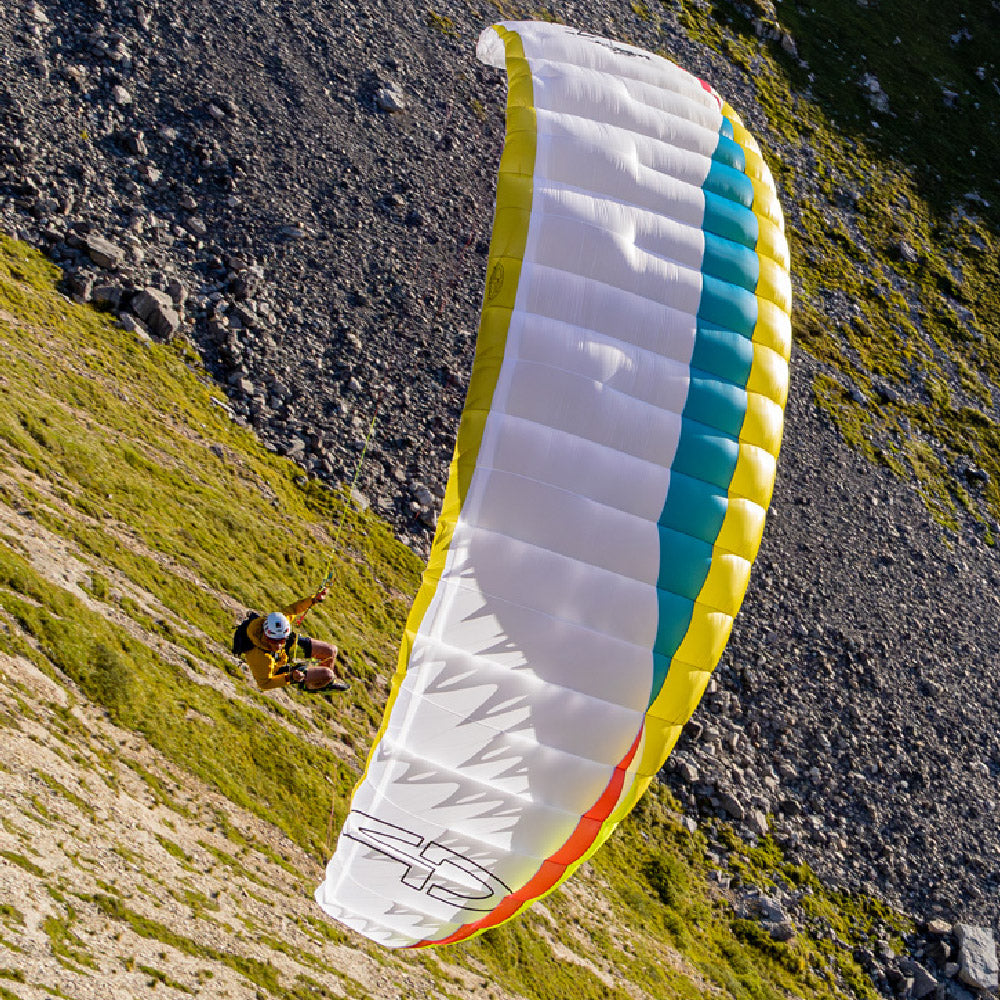
In nil-wind launches and similar conditions, we found the Artik R 2 benefits from a good layout and a positive pull-up. At first, being too hesitant and not wanting to bring the tips too far forward caused the wing to come up asymmetrically. Eventually we learned that it doesn’t need an exaggerated “V” layout like some wings—just a nice curve, a good setup, and a positive pull-up. That brings the leading edge up, catches air, and inflates smoothly.
Once it starts forming its shape, it wants to come up and fly—it doesn’t hang back or drop. With the right technique, it works very well, even in light, fickle winds. In moderate winds, like most wings, it’s easy. In strong or gusty conditions, it needs more management: build the wall, fill the tips, and be ready with a strong, positive input. If pulled up hesitantly, there’s a good chance one side will rise faster than the other. It’s easy to correct, but it prefers a confident pull. If overdone, though, it can come up quickly and pluck the pilot.
Compared to the Artik R 1, we’d say the R 2 is actually a bit easier on the ground, though with similar characteristics. By contrast, the BGD Cure 3 tends to pause and hang back as it comes up, so you have to push it past that point.
In the air
Once airborne, the Artik R 2 immediately feels playful and direct, much like its predecessor. It has refined handling and precise feedback. Some other wings—like the Ozone Photon and Photon Light—are more damped, calmer, and softer. The Artik R 2, by contrast, feels sharper, sportier, and more responsive.
Construction quality is excellent, as expected from Niviuk. It uses nitinol rods from the leading edge back to about 30 cm from the trailing edge, with well-designed segments. The risers have 12 mm webbing, 20 mm Ronstan ball-bearing pulleys, and clear line markers showing speed bar travel. Lines are unsheathed (except the main brake lines), and the brake handles use the Fidlock Snap Lock system—one of the nicest setups around.
Handling
In flight, the Artik R 2 feels solid and reassuring but on the sporty side. It gives clear feedback on the air and responds quickly to inputs. It’s not sluggish or heavily damped, but pilots with a heavy hand might find themselves wobbling around until they adjust. For a wing of this class, that’s exactly what you’d expect—it rewards finesse.
Brake pressure and travel are moderate. The contact point comes at about 15 cm, which is longer than the Cure 3 (one of the shortest in class) but shorter than the Photon or Photon Light. It feels best flown in a half-wrap: that allows fine control for tight, efficient turns without needing an exaggerated wrap. Stall point pressure firms up clearly, giving an obvious warning before the stall. It’s less forgiving than some wings (like the Photon or SCALA 2), but much clearer and more precise.
Performance
Even in light, scratchy conditions, the Artik R 2 performs exceptionally well. It has a strong sink rate and climb rate, and is very efficient at cutting through sink to reach lift. It doesn’t hang back—it keeps gliding efficiently. Trim speed feels spot-on for the class. Pitch stability is excellent, and it’s very efficient along the ridge.
Thermalling is a highlight. It bites into lift rather than hanging back, and the handling makes it easy to carve tight, efficient turns or hold a flatter, efficient line. Compared with the Delta 5, which sometimes relies on roll to tighten turns, the Artik R 2 maintains efficiency even when banked. Overall, its climb rate is among the best in class.
On glide, it offers excellent feedback—enough to sense the air and sniff out lifty lines, without being overwhelming. On speed bar, the travel is long, pressure is moderate, and it feels very fast—possibly one of the fastest in its class. Glide remains excellent at speed, with the wing staying solid and connected. Rear-riser control is effective, with moderate pressure and great feedback, allowing very active flying on bar. It’s clearly designed for long XC flights, big triangles, and bar-heavy flying.
Descent techniques
-
Big ears (outer A’s): Physical to pull, but effective. They’re quite large, with a good descent rate. Best pulled symmetrically. They add roll instability in turbulence (as usual), but are stable enough and easy to clear, especially with a bit of bar on.
-
Tip stalls (outer B’s): More stable than big ears, with no added roll, but quite physical to hold in. Descent rate is good, but they’re less comfortable for long use because of the pressure.
-
Spirals: Easy to enter, agile, with high G and descent rates as expected. Exits require managing energy bleed, but the glider is well behaved.
Fun factor
Wingovers are an absolute joy—playful, solid, and with superb energy conversion. Among EN-C two-liners, it has some of the nicest handling.
Conclusion
The Niviuk Artik R 2 combines superb handling, clear feedback, and high efficiency with solid build quality. It feels sporty and precise, but not excessively demanding for its class. It’s exceptionally good in climbs and thermals, efficient on glide, and a fantastic XC machine.
For pilots looking to push performance in the EN-C two-liner category while still enjoying playful handling, the Artik R 2 is a top contender.
Flybubble video review
Brought to you by Flybubble
Like what we do? The best way to thank and support us is to buy gear from us and recommend us to others
- Posted in:
- Articles
- Gear Guides
- News
- Paraglider Reviews


