





Paragliding Danger of PASSIVE Safety
- by Carlo Borsattino

When it comes to mid-B wings, they offer an amazing combination for most pilots: strong performance, everything you want for soaring, climbing, thermalling, and flying XC, but with significantly lower pilot demands. This becomes especially important when conditions get challenging—when things start to go wrong.
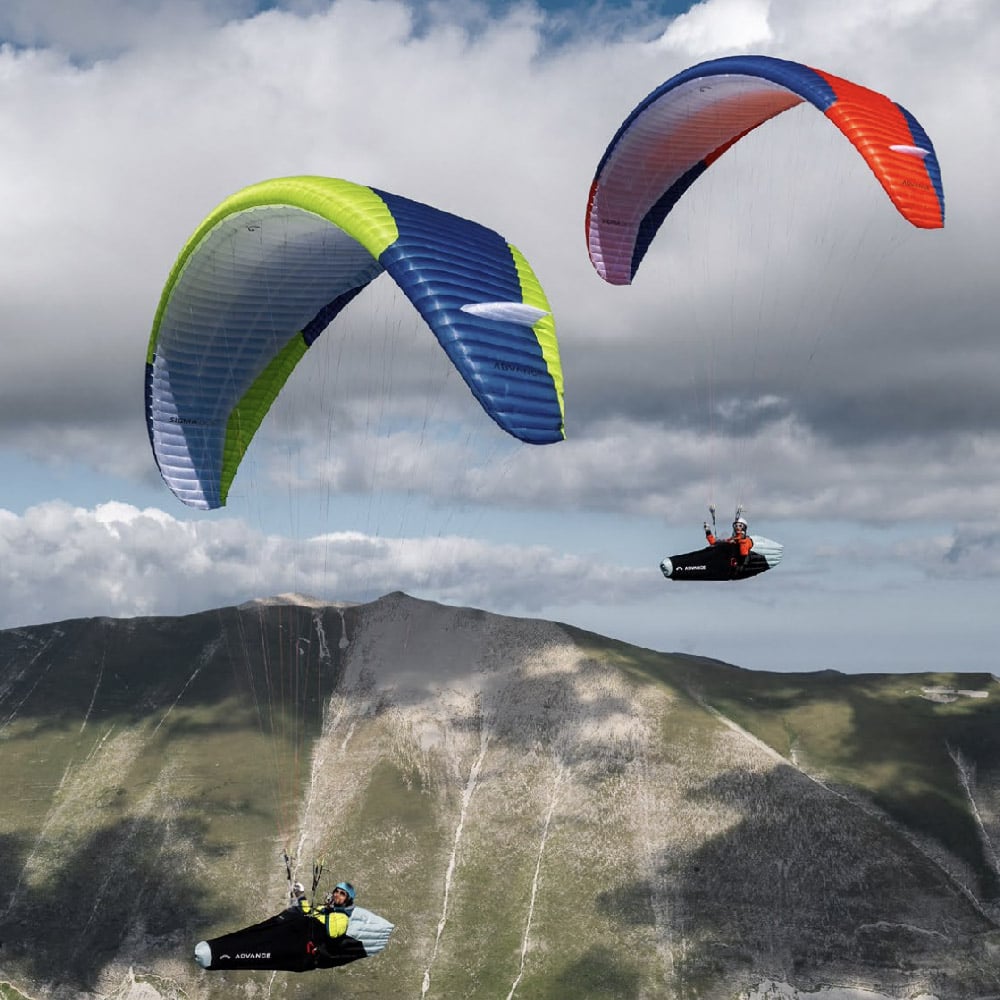
All wings will collapse eventually. Very good pilots can prevent most collapses, but even then, they still happen. The key point is this: while being comfortable flying higher-level wings like high-C and D wings —a nd having previously been even more comfortable on competition wings — there is no doubt that flying gliders like the Niviuk Hiko, the Advance THETA ULS, the PHI BEAT 2, and other similar wings is more relaxing.
The reason is experience. Over the years, it becomes clear that when these gliders collapse—and they all do—they behave quite differently. Simply put, the chances of losing control and having to throw a reserve on a mid-B wing are much lower than on a C-class glider, and even lower compared to high-C or D-class wings. This is exactly why even some of the world’s best pilots end up throwing their reserves.
There’s an ongoing discussion here, and there may not be a clear right or wrong answer. One common argument is that safety is all about having wings that are very collapse-resistant. That is certainly one aspect of safety, but at the end of the day, wings will collapse eventually. How they behave afterward is critically important—and that’s one of the key purposes of certification.
Certification doesn’t tell you how collapse-resistant a wing is; it tells you how it behaves when things go wrong. If you look closely at the definitions, even the B category might raise eyebrows—it can be more demanding than many pilots expect. Within that class, high-B wings already sit near the upper limits. Moving into C-class, some pilots might think twice if they truly understand the demands, especially in sporty air. D-class wings are even more demanding and are really only meant for very expert pilots with exceptionally high glider-handling skills.
Too many pilots are relying on the idea that passive safety—meaning collapse resistance alone—is the most important factor. Yes, it matters, and safer wings are genuinely safer. But the most important factor is how a wing behaves when things go wrong. Flying a safer glider does make you safer, and in our experience, it certainly does.
This perspective remains open to change. It’s important to keep an open mind, keep reassessing, and keep looking at data. That said, data in paragliding is limited and often flawed. It’s biased by trends and herd behaviour, which means we tend to see the same patterns repeated because people are doing the same things.
That’s why we believe paragliding needs a cultural shift—one that prioritises skills, knowledge, caution, and safety ahead of performance and goals. Goals and performance are fine, but they have to come second. Skills, knowledge, and a healthy margin of safety—starting with flying a safer wing—must come first.
Flybubble video
Like what we do? The best way to thank and support us is to buy gear from us and recommend us to others.
- Posted in:
- Articles
- Flight Skills
- Flying Safety


