





PHI MAESTRO 3 - first look review
- by Carlo Borsattino

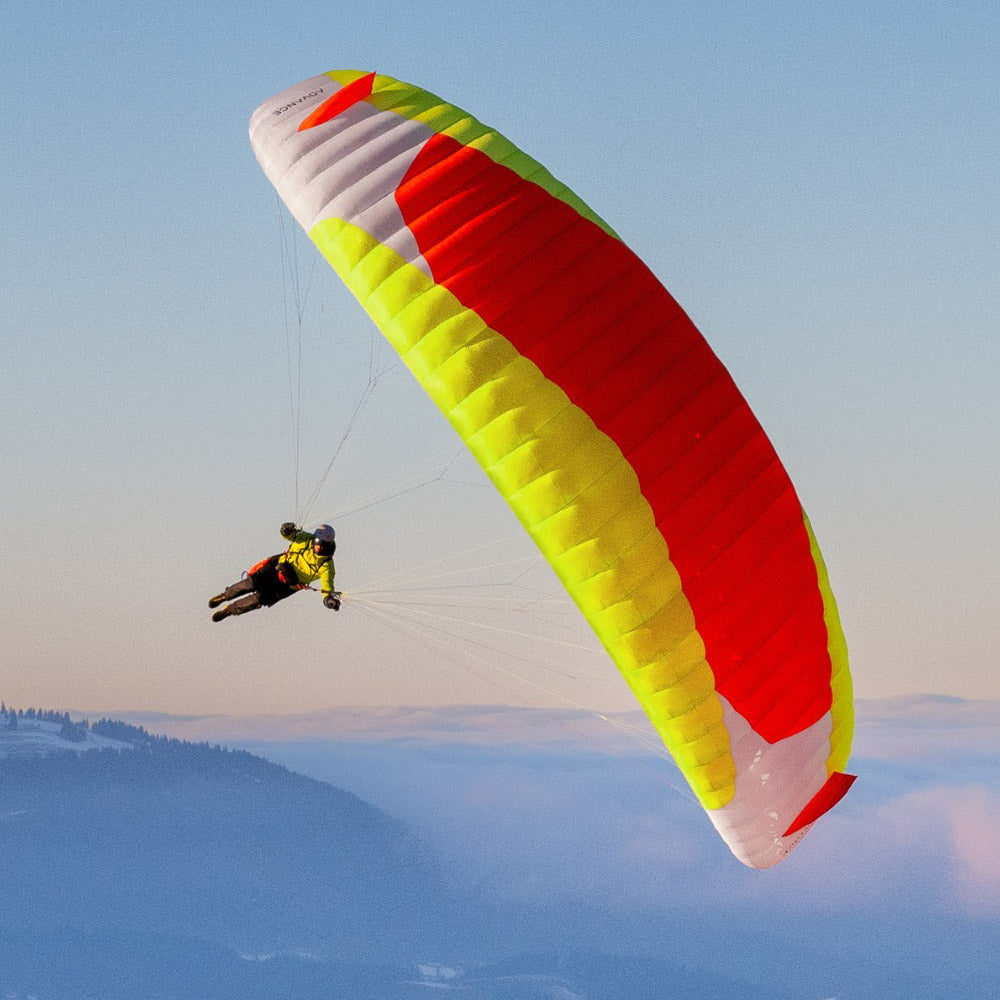
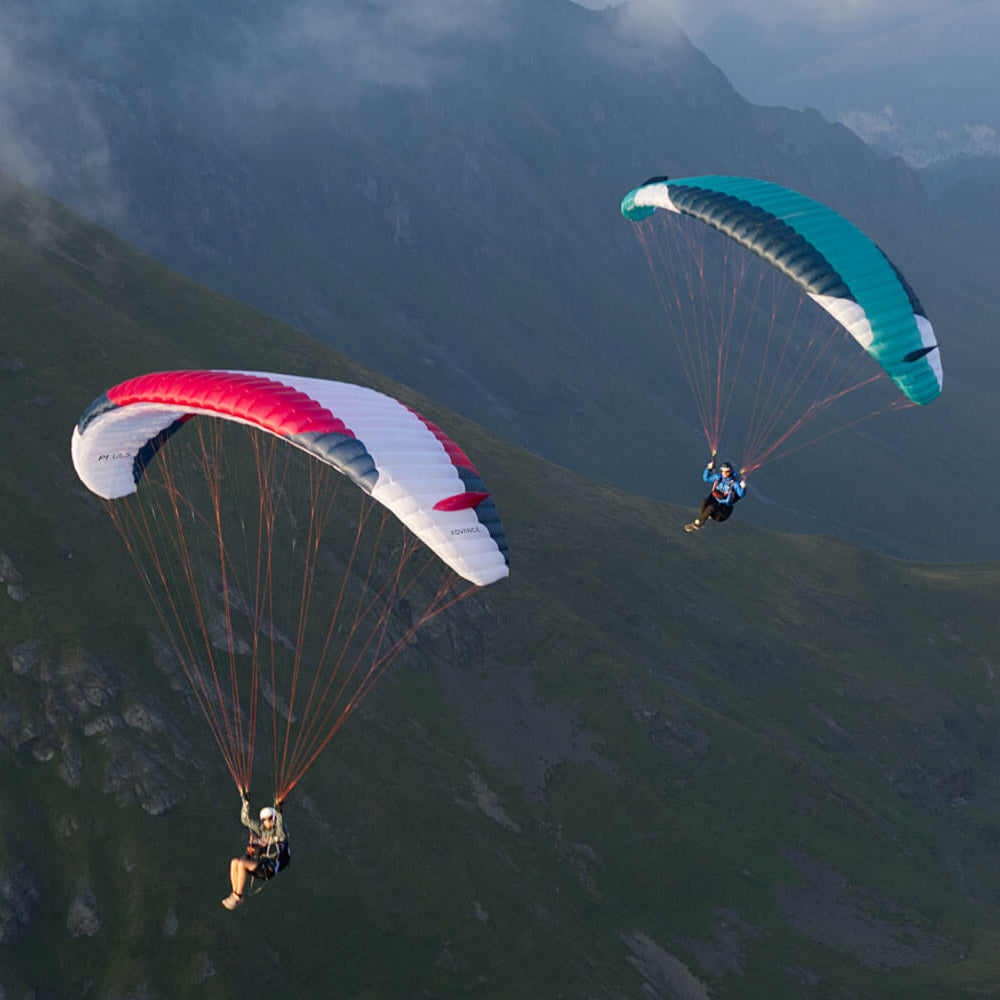
Our feeling with the MAESTRO 3 is that the handling feels very much at home compared to the MAESTRO 1 and MAESTRO 2. They all share that really nice, playful, agile handling. It’s very responsive and agile, turns beautifully, and is great for turning into thermals and working lift. With the MAESTRO 3, the handling feels smoother, easier, and more comfortable. It is still a glider that gives feedback, but it has a smoother, easier kind of feedback, even in the turbulent conditions we’ve been flying in.
We’ve been testing the size 23, which is a little on the big side for us, so we’ve had to fly with heavier kit and more weight. We’ve also been flying the size 19, within the 65–85 kg range at about 82 kg. The feedback is exactly the flavour we like: the glider gives clear information, but not too much. The word “easy” is not normally applied to a high-B glider, but the MAESTRO 3 feels comfortable, with good feedback and communication. That’s something we really appreciate. It gives us the energy we want, tells us where to move, turn, and make the best of the lift.
We’ve loved the MAESTRO 1, MAESTRO 2, and now the 3. The MAESTRO 1 was more on the sporty side. It was quite a sporty wing—sharp and lively. With the MAESTRO 2, it felt a little calmer and easier but still sporty. The MAESTRO 3 feels calmer again, smoother, more dampened in terms of feedback, but still a glider on the lively side. It’s definitely not a plank-like glider.
Performance
The refinement is clear: each version has been fine-tuned and polished a little more, from the 1 to the 2 to the 3. In terms of performance, the MAESTRO 3 feels at the top of its class. With the MAESTRO 2, we always felt good, never left behind, and the 3 gives us even more confidence. We feel like we still have an edge, and it’s giving that extra performance. From our testing, the MAESTRO 2 still performs really well in the high-B class, one of the best, but the MAESTRO 3 feels like it has an edge. It climbs at least as well, probably even better, and the glide feels improved—particularly the accelerated glide. The wing feels more solid, the performance more usable, and the pilot demands definitely lower.
Ground Handling and Launch
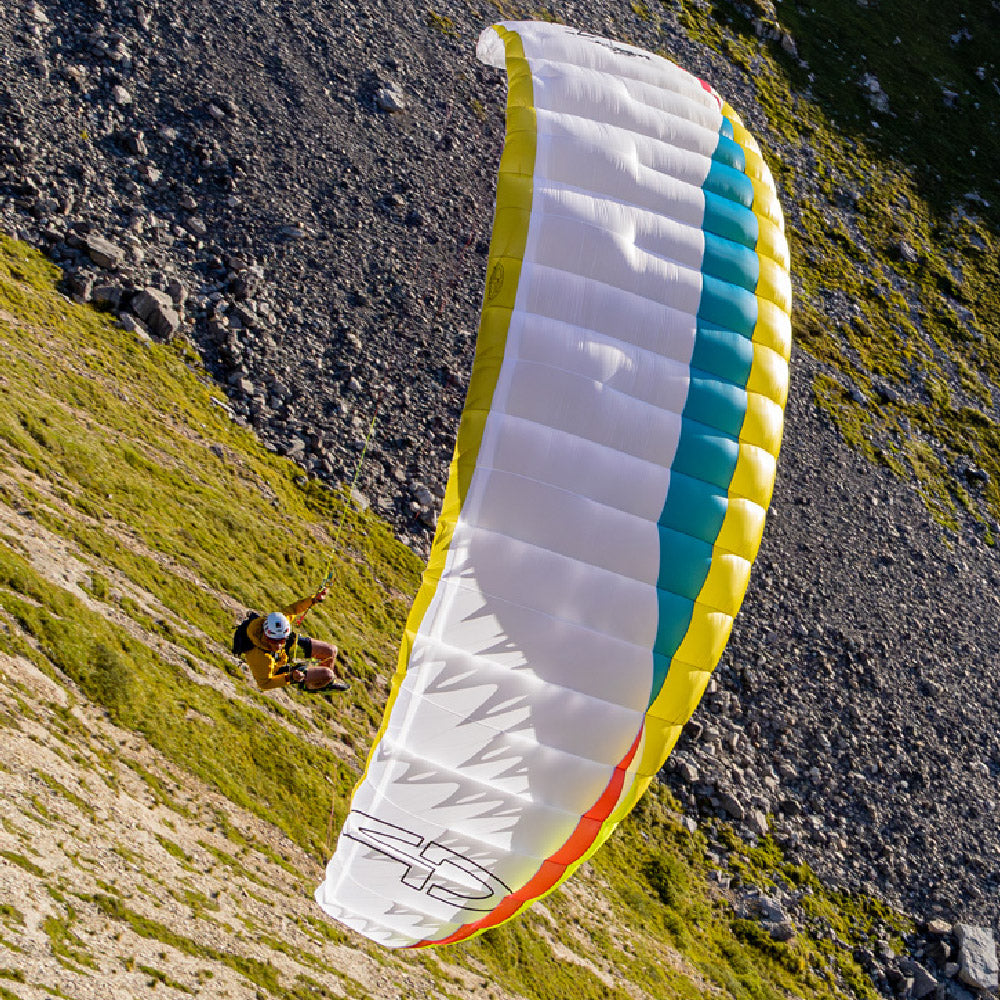
On the ground, launching is straightforward. We’ve launched in a variety of conditions and had no difficulties. It’s actually on the easier side. Building the wall is simple—the wing wants to fly. It has a beautiful, clean curve all the way through, noticeably tidier than some other wings we’ve flown recently. Inflation is very easy, even in light breezes, without the trailing edge rolling up as some lightweight gliders tend to. It just sits there, waiting to fly, with the leading edge clean and ready.
The MAESTRO series is clearly for pilots who like a glider that gives feeling, feedback, and handling, and prioritises that aspect. The 3 is no different. Inflation is very impressive, even in tricky winds. We tend to reverse launch almost regardless of the situation, but forward launches also gave a really good connection. We could feel what the wing was doing as it came up. It doesn’t require force or physical effort; it’s not like some wings where you have to haul them into the air. For example, the RUSH 5 responds well if you give it a strong pull and hold on, but if you let go of the risers, it can drop back. The MAESTRO 3 isn’t like that—it just wants to come up and fly. It doesn’t respond well to heavy-handedness, and it doesn’t need it.
In the Air: Climb and Thermals
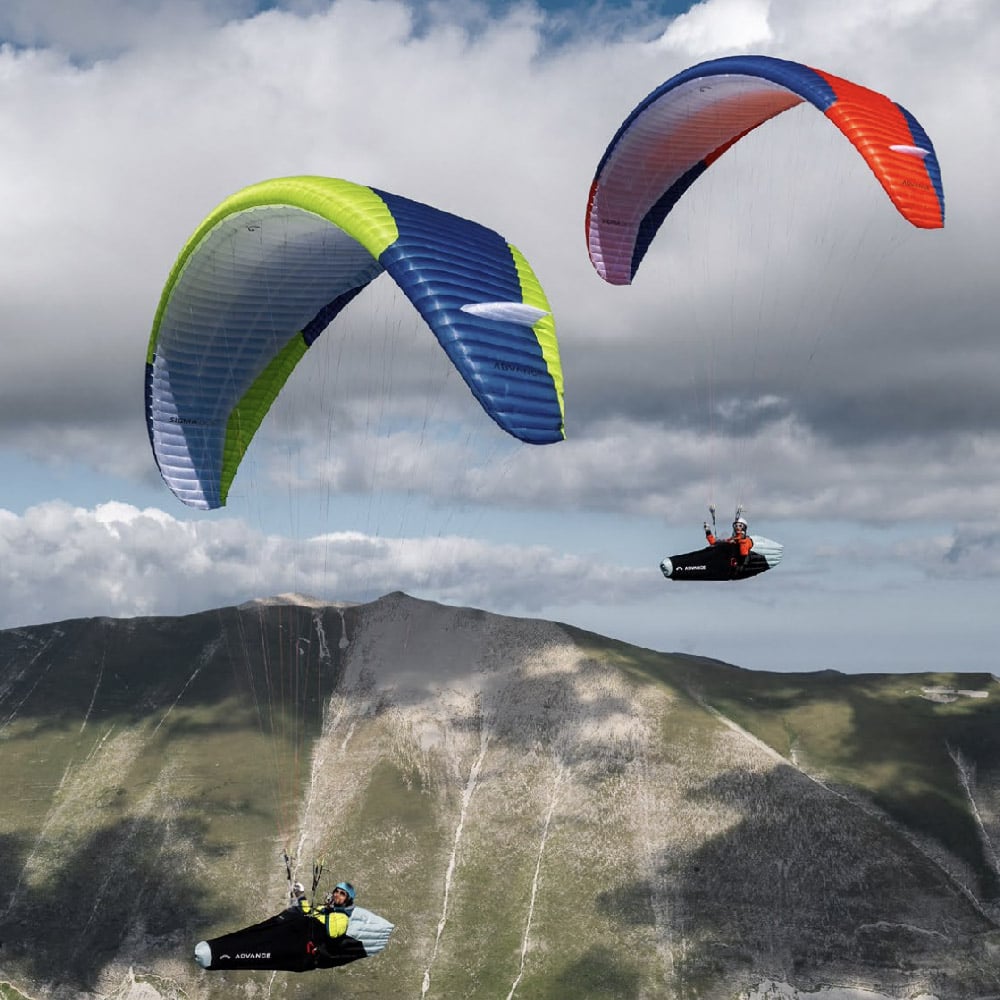
In the air, it climbs really well. The sink rate feels excellent, and it holds onto thermals in a very positive way. We felt like we were always in the lift, with no sense of the glider being busy or stressful, even in challenging conditions. This is where the character difference between the 2 and the 3 stands out: the MAESTRO 3 feels smoother and calmer, while the 2 moved around a bit more, and the 1 even more again.
Stall and Safety Behaviour
The stall point on the MAESTRO 3 is very obvious. It isn’t a sharp, snappy stall. The brake pressure is moderate, not excessive, and the progression is clear. It requires some finesse, but it’s excellent for the class. You feel it gradually building, slipping, and then stalling from the tips, which is very manageable.
Big ears are easy to pull in, stable, and they stay in nicely. They come out slowly if you release, or immediately with a pump. They’re very stable, with the wing remaining calm throughout. Some gliders can get a bit rolly with big ears, but the MAESTRO 3 stayed controlled and usable.
Using speed bar felt excellent. It gave a good increase in speed and penetration into wind. The wing remained solid and confidence-inspiring while accelerated. The pressure is firm but direct, and the glide feels very efficient. Fully accelerated, the wing feels quick for the class, stable, and very usable.
Updates and New Features
The MAESTRO 3 introduces some notable updates compared to the 2. The first is the new R14 risers, which replace the older R07 risers. The R07s were around 6 cm longer than standard risers, and while it was possible to adapt, it could feel like everything was higher up when swapping between wings. The R14s return to a more normal length and are very comfortable to use. They retain the advantages of the R07s while being easier for pilots with shorter arms. They also feature an integrated BC bridge, which works well.
The second change is the switch from nylon to Nitinol rods. Nitinol is very light and holds its shape, but it can sometimes wear through the leading edge fabric. Designer Hannes Papesh has solved this by adding light neoprene padding around the rods, along with protective end caps. It’s a clever, neatly executed solution that avoids the wear issue without adding noticeable weight.
Overall Impressions
So, is the MAESTRO 3 our next wing? It’s definitely one to consider. It feels very well sorted both on the ground and in the air. The performance is excellent, the handling is refined, and it’s a superb all-rounder. We’ve flown it in weak thermals, where it climbed very well, and in strong conditions, where it stayed solid and comfortable. That smoother, calmer character is a welcome evolution.
This is our early impressions review of the MAESTRO 3. We’ll continue testing, and we have the MAESTRO 3 Light on order, which we’ll review as soon as it’s available. If you’re considering your next high-B, the MAESTRO 3 has to be on your list. It offers top performance in its class, with pilot demands around the middle of the high-B range, especially suited to pilots who want feedback, feeling, and agile, responsive handling.
Flybubble video review
Brought to you by Flybubble
Like what we do? The best way to thank and support us is to buy gear from us and recommend us to others
- Posted in:
- Articles
- Gear Guides
- News
- Paraglider Reviews


