





What’s the Point of Parakites: LittleCloud La Mouette Review
- by Carlo Borsattino

A Whole New Kind of Flying
You've essentially got the full speed range—from full stall all the way up to full speed—as if you're on a normal paraglider with the full speed bar on, but here it’s all available in your hands. That, in a nutshell, is what parakites and the kite risers give you.
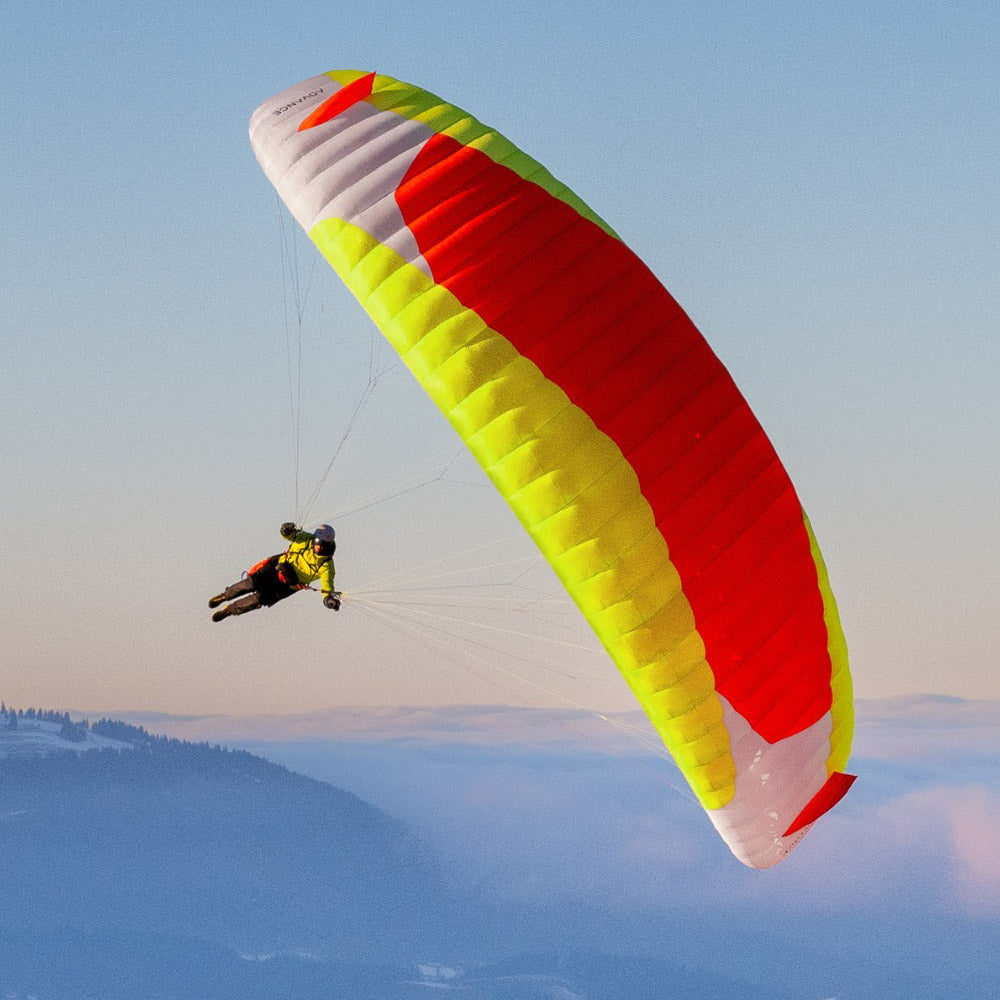
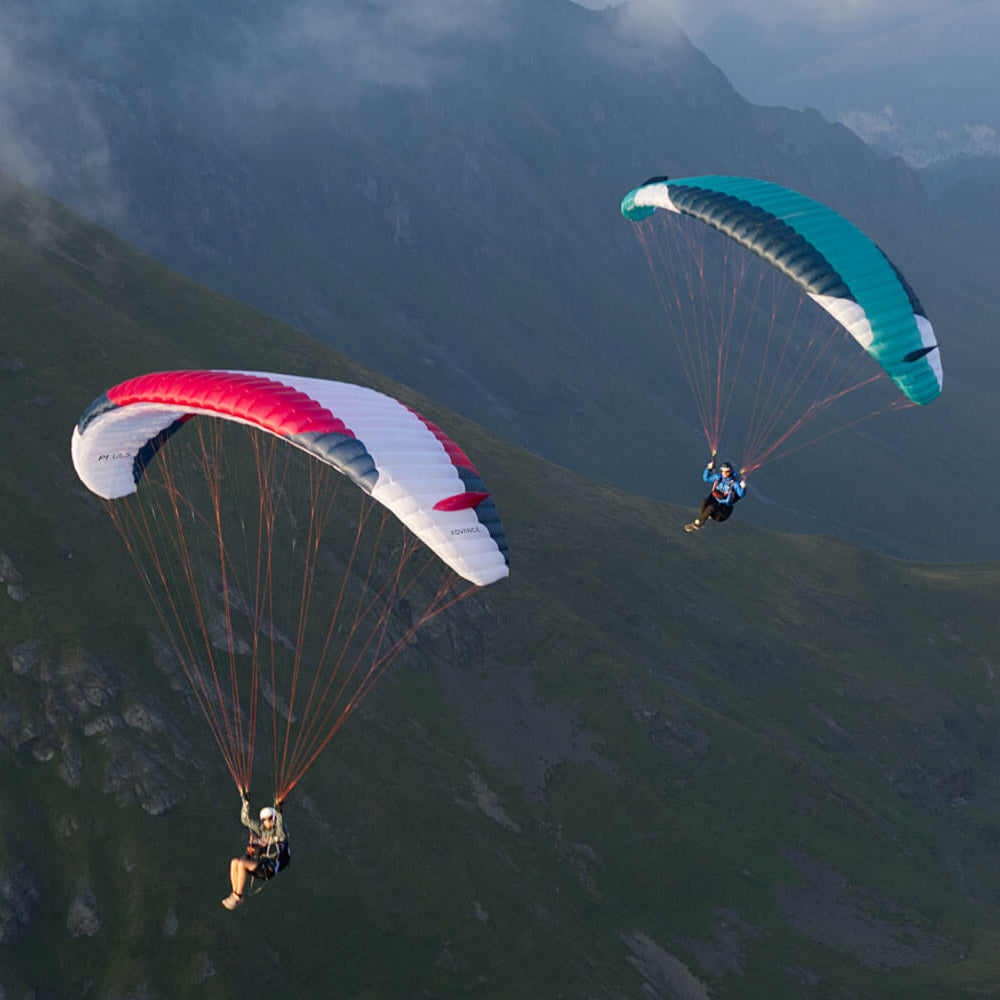
I’ve been testing the La Mouette for several months now, and the key takeaway is: it’s super fun. Really, really fun. It’s also incredibly friendly and approachable. I couldn’t help but start smiling and laughing my head off while flying it.
What sets the La Mouette apart from the original parakite—the Flare Moustache—and others that followed in a similar direction is that it flies more like a paraglider. The Moustache has a lot of reflex and is built to be very collapse-resistant, but that comes at the cost of some feeling and feedback. From my experience, the La Mouette gives you more connection to what’s happening in the air. That means more feedback, and from my testing, it also seems more efficient in terms of soaring and sink rate.
It seems to us that LittleCloud has focused more on safety with the La Mouette, rather than pushing for the most radical or extreme ride. When the air is really horrible and rough, it’s generally not a good idea to fly—especially with smaller wings like mini wings or parakites. Even though they’re more collapse-resistant, they’re still wings—and they can still collapse. And when that happens on a small, highly loaded wing, it’s going to be far more dynamic, you’ll lose more altitude, and everything will happen faster. So smoother, more laminar conditions are always preferable.
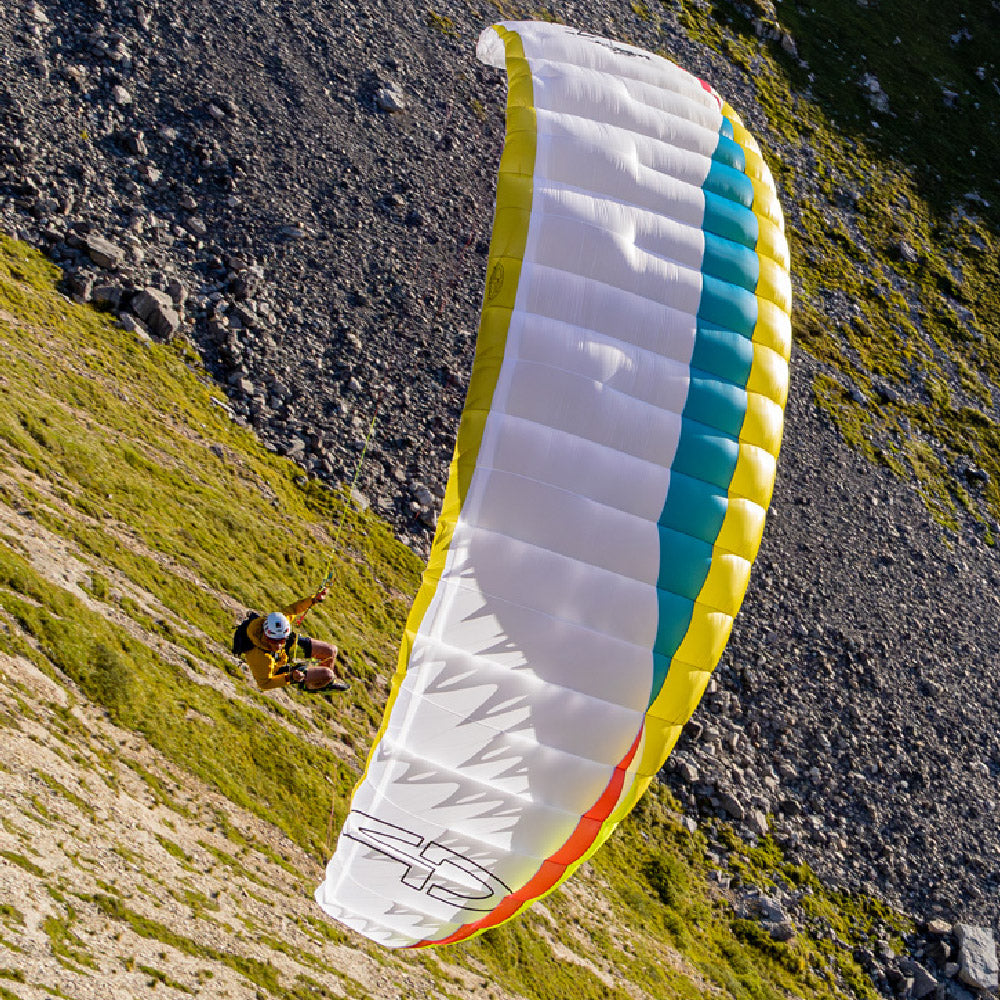
Compared to a paraglider, where you can sometimes end up parked into wind, with a parakite (like the La Mouette), you’ve got more speed, more glide, and you feel like you’re moving around rather than being pinned. And because it’s a parakite, you get a ton of climb and swoop—it’s just fun. If you enjoy swooping, wagga, and playing around, this is where these wings really shine.
Fun, Safety, and Soaring Surprises
Launching in breezy but not crazy conditions—when it's getting too strong for standard paragliders, maybe even blown out—I’d say it can actually be safer to fly one of these wings. With full-size gliders in those conditions, you run a much higher risk of losing control on launch or landing and getting dragged. With the La Mouette, you can raise your hands to kill some power and let the glider fly faster, making you less likely to lose control.
Sure, we’ve all heard stories of pilots having accidents with mini wings—collapses, falls, all of that. But most of those incidents, in our view, come down to pilots flying in totally unsuitable conditions—just jumping off and hoping for the best. That approach never works in any kind of flying. And yes, with highly loaded small wings, things happen faster. But a lot of these accidents weren’t the wing’s fault—it was the pilot making poor decisions, flying in air they weren't ready for, and pushing beyond their ability to manage the situation.
On this day, for example, I had some quite choppy thermic conditions—not ideal, but not totally unsuitable either. I’ve flown the Moustache in sizes 18 and 26, mostly in smooth laminar conditions. It’s got a stronger reflex, more climb and dive potential, but less feeling. With the La Mouette, it’s not about better or worse—it’s about which suits your style.
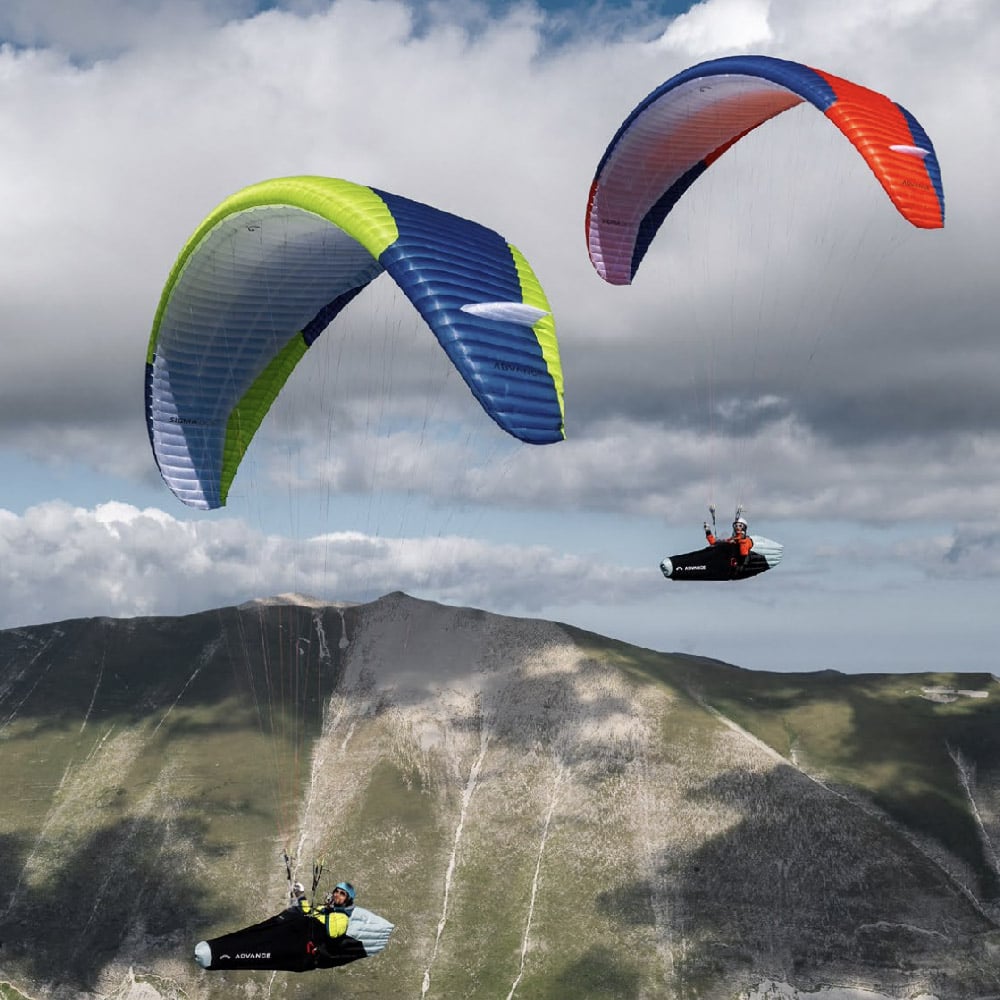
For me, the La Mouette feels and flies more like a paraglider. I flew the size 19 at 88 kg all up, and I was able to soar—and even thermal—without a vario. I could’ve climbed out if I wanted to, but I was filming. In fact, it was so efficient I had trouble coming down! I had to fly out, lose height, and come back in. Meanwhile, full-size paragliders on the same ridge weren’t gaining much height.
That’s very impressive. It even surprised me. I’d flown it at the coast before and already noticed how well it soars, but I was curious how it would handle thermic air—where you really notice a wing's performance. Radical parakites like the Moustache are brilliant for big climbs, dives, and barrel rolls, but they need stronger lift to really soar. In contrast, the La Mouette soars more easily in milder conditions.
That’s key. You don’t need strong wind to stay up. And although pilots do fly mini wings in thermic conditions, you need the skills and experience to do that safely. Start in smooth, laminar air and build from there.
Designed for Pilots Who Love to Play
Today’s conditions were variable—breezy, thermic, not ideal but manageable. And again, I was impressed by how well the La Mouette handled it. I flew it with the Woody Valley TransAlp 2 harness, which is excellent for hike & fly and mini wings. It has proper webbing straps (not string), so it’s more comfortable, and it offers an inflatable airbag option for added safety.
Soaring up and down is fun, but I personally like to play around. That’s where these wings come alive. The kite risers give you that full brake range and speed control, letting you convert energy in turns and adding to the joy. If you fly in the right conditions, with respect for the weather, the site, and the wing, you can have huge fun while keeping it relatively safe.
I really want to highlight that the La Mouette is ideal for paraglider pilots who are curious about mini wings or parakites. Especially for coastal soaring, or when the wind is too strong for full-size wings and you just end up pinned. In those situations, parakites can actually be safer. I’ve seen too many paragliders get dragged during takeoff or landing. With parakites, particularly with kite risers, you can put your hands up, reduce the power, and fly out cleanly.
Contrary to what some think, in the right conditions, wings like the La Mouette can be safer than full-size paragliders.
The Crossover Wing for Paraglider Pilots
I’ve also flown the La Mouette 22, but only a bit. The larger sizes are quite different to the smaller ones—higher aspect ratio, designed for lighter winds and less lift. They’re more efficient again and great for heavier pilots. We’ve had 115 kg customers flying the 22 when the 19 would be too small. So La Mouette covers a decent range of flying conditions—but still best in smoother air.
Some people talk about parakiting like it’s revolutionary—and for coastal laminar flying, maybe it is. But for me, it’s more of a natural evolution of paragliding. Another branch of the sport. Paragliding is many things to many people, and this is part of that.
Even within the parakite world, there’s a split forming: some wings are getting more radical and adrenaline-driven, focused on climb, dive, and extreme maneuvers. Others, like the La Mouette, are going more in the safety-focused direction. That seems to be led by LittleCloud.
So if you're one of those pilots who’s not completely dismissing the idea and thinking “Hmm, maybe this could be interesting…” — then we’d say: give it a try. The La Mouette is a great crossover for paraglider pilots. It flies like a paraglider, but gives you that added fun factor, especially in the right conditions. Winter, coastal, smooth soaring conditions—that’s where these really shine.
I've also got the Gracchio Mk 3 in size 25, and I’m planning to fly it with both standard risers and kite risers (which you can convert across all of LittleCloud’s wings). If in doubt, reach out to us or Tom from LittleCloud—he’s incredibly helpful and clearly cares about getting pilots onto the right wing for them.
Flybubble video review
Brought to you by Flybubble
Like what we do? The best way to thank and support us is to buy gear from us and recommend us to others
- Posted in:
- Gear Guides
- News
- Paraglider Reviews


